
Aircraft & Cabin
Dear Passengers aircraft and cabin guide — plane controls, takeoff and landing, cockpit instruments, galley service, and how to keep the aircraft in the air.
Introduction
Every flight in Dear Passengers happens on an aircraft, and understanding that aircraft is the difference between smooth sailing and a crash landing. The aircraft-and-cabin hub covers the plane side: flight controls, cockpit instruments, takeoff and landing, plus the cabin systems, galley, and the roles that keep everything running. Whether you are the pilot at the controls or the crew in the cabin, this hub gives you the practical knowledge to keep the aircraft in the air and the flight on track.
Aircraft & Cabin Systems
| System | What It Does | Who Uses It | Key Skill |
|---|---|---|---|
| Flight Controls | Throttle, pitch, yaw, and landing gear | Pilot | Smooth, gradual inputs |
| Cockpit Instruments | Speed, altitude, heading, and weather radar | Pilot | Reading the data under pressure |
| Cabin Systems | Seats, intercom, and passenger amenities | Cabin Crew | Fast, organized service |
| Galley | Food and drink preparation and service | Cabin Crew | Priority management |
System Guide
Flight Controls
The pilot's toolkit
Cockpit Instruments
Read the plane's state
Cabin Systems
The passenger environment
Galley
Food and drink service hub
Core Mechanics
The aircraft has two halves that must work together. The flight deck is the pilot's domain: throttle, pitch, yaw, flaps, and the instruments that show speed, altitude, and weather. The cabin is the crew's domain: seats, intercom, galley, and the passengers and cargo being carried. During flight, the pilot manages the plane's state while the crew manages the cabin. Damage to the aircraft from hard landings or rough weather must be monitored, and keeping the plane healthy is part of the pilot's job — a damaged plane flies worse and pays less.
Advantages
Understanding the aircraft lets you fly smoother and land cleaner, which directly improves your flight rating and payout. Pilots who master the controls can navigate bad weather without losing control, and crews who understand the cabin can keep service running during chaos. Knowing the systems also helps you diagnose problems — if something is wrong, you know whether it is the plane or the cabin. For players who love the aviation side, this hub is the core of the game.
Challenges
The aircraft and cabin systems are complex, and learning them all takes time. New pilots often struggle with smooth control inputs and hard landings, while new crews get overwhelmed by the cabin. Because the game is unreleased, some control details and system names are based on the developer's materials and may change at launch. The main challenge is that the plane and the cabin compete for attention — the best pilots still need a good crew, and vice versa.
Frequently Asked Questions
How do I land the plane safely in Dear Passengers?+
What do the cockpit instruments tell me?+
How does plane damage work?+
What is the galley used for?+
Quick Tips
Fly smooth, not fast. Gradual control inputs keep the cabin calm and protect the plane — speed is rarely the problem, abruptness is.
Check the instruments every few seconds, even in calm skies. The habit saves you when a storm appears or an air pocket drops the plane without warning.
Plan the galley service route before takeoff. Knowing which rows to serve first and where the stock lives saves precious seconds when requests pile up.
Land gently every time. A smooth touchdown protects the plane, impresses passengers, and keeps the flight rating high — the small extra effort pays off in every future flight.
Featured

Dear Passengers How to Avoid Crashes: Pre-Flight Checks
Land clean with this Dear Passengers how to avoid crashes playbook covering cabin layout traps, system checks, and recovery moves before touchdown.
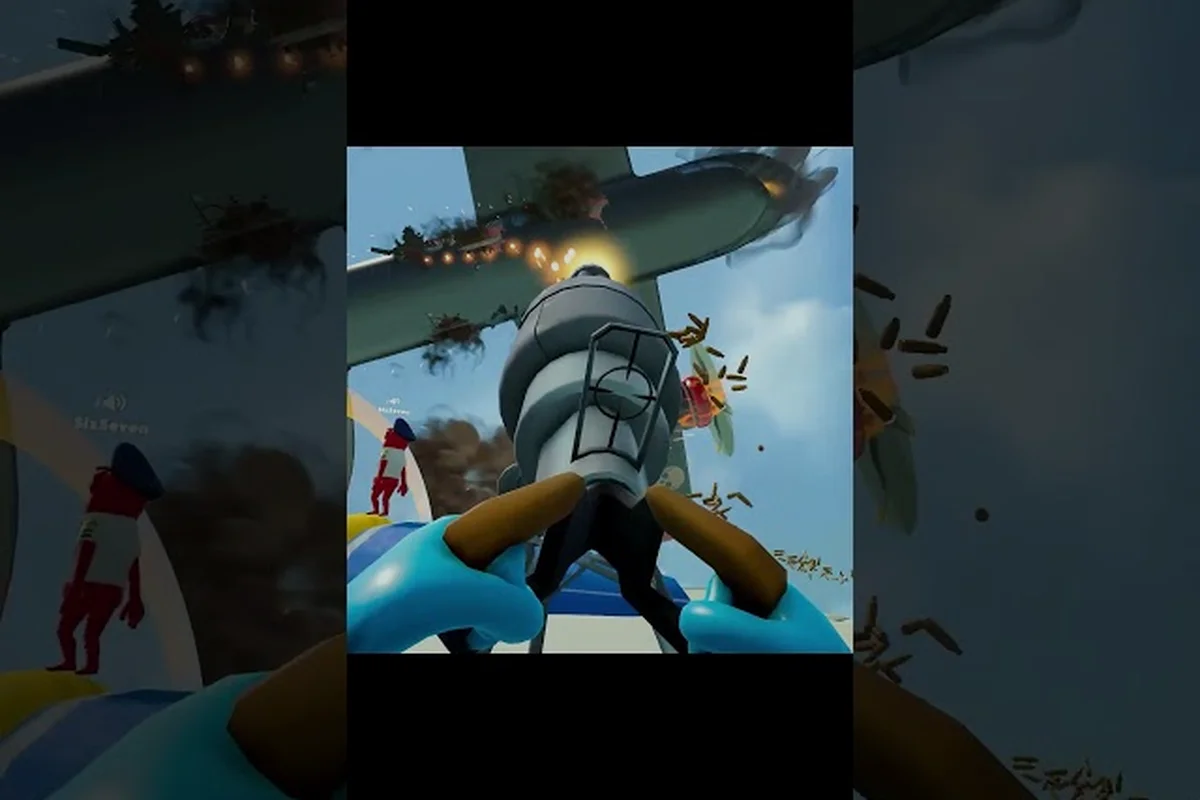
Dear Passengers How to Navigate: Routes and Autopilot
Plot smarter paths with this dear passengers how to navigate guide covering map reading, autopilot toggles, and heading changes that make every leg click.

Dear Passengers Unlock Planes: Repair and Upgrade Paths
Climb the Dear Passengers how to unlock planes ladder covering repair routines, upgrade paths, milestone gates, and hangar rewards worth chasing.
All Articles

Dear Passengers Plane Guide: Handling and Best Routes
Compare every Dear Passengers plane with handling profiles, capacity breakdowns, and the routes where each aircraft shines from props to haulers.

Dear Passengers Cockpit Guide: Throttle and Yoke Basics
Master Dear Passengers cockpit basics from startup procedures to instrument reads, plus yoke and throttle handling every pilot needs.

Dear Passengers Galley Guide: Fuel, Seats & Cabin Systems
Run a tight Dear Passengers galley with fuel management tips, seat handling basics, and intercom tricks that keep your service loop running smooth.

Dear Passengers Manual Flight: Speed, Altitude & Cockpit Controls
Take full control with this Dear Passengers manual flight breakdown of speed, altitude, and flight instrument reads every pilot needs to know.