
Co-op Play
Dear Passengers co-op guide — set up online co-op, assign crew roles like pilot and cabin crew, coordinate communication, and survive cabin chaos with friends.
Introduction
Dear Passengers is built around online co-op: one player flies the aircraft while the rest battle cabin mayhem. The co-op-play hub explains how to set up a session, assign crew roles, and coordinate during in-flight emergencies. Unlike solo play, co-op lets you split duties so every problem gets handled before it spreads. This hub is the place to learn the four core roles — pilot, cabin crew, cargo crew, and crisis crew — and how they combine into a smooth-running (or hilariously chaotic) crew.
Crew Roles at a Glance
| Role | Main Duty | Key Skill | Best For |
|---|---|---|---|
| Pilot | Fly the plane, manage speed and altitude, land safely | Flight control and route planning | Players who like the aircraft side |
| Cabin Crew | Serve food and drinks, calm passengers, manage the galley | Priority management and fast service | Players who enjoy the social chaos |
| Cargo Crew | Protect and secure freight, strap down loose items | Speed under turbulence | Players who like the logistics puzzle |
| Crisis Crew | Contain fires, panics, and disasters before they spread | Calm decision making | Players who thrive under pressure |
Role Breakdown
Pilot
The captain of chaos
Cabin Crew
The front line of passenger service
Cargo Crew
Protect the payload
Crisis Crew
The fire department
Core Mechanics
Co-op revolves around role assignment and communication. Before takeoff the crew decides who pilots, who serves the cabin, who protects cargo, and who handles crises. During the flight, the pilot reads the weather and warns the crew about turbulence, the cabin crew manages passenger requests, the cargo crew secures freight, and the crisis crew responds to alerts. The game is designed so that no single player can do everything at once — the chaos is the point, and a coordinated crew is what keeps a small mishap from becoming a total disaster.
Advantages
Playing co-op divides the workload and makes every system easier to manage. The pilot can focus on flying smoothly, the cabin crew on service, and the crisis crew on emergencies — no one is juggling everything at once. Co-op also makes the game much funnier: the shared chaos and close calls are where Dear Passengers shines. For new players, starting co-op with friends is the best way to learn, because teammates can cover your mistakes while you get the hang of your role.
Challenges
Co-op requires at least one other player, and coordination takes practice. If the crew does not communicate, everyone may react to the same alert while the rest of the cabin collapses. Playing with random players can be unpredictable — some crews will be great, others will add to the chaos. Solo players will find the game harder because they must handle every role themselves, and some scenarios are balanced around a full crew.
Frequently Asked Questions
How many players can play co-op in Dear Passengers?+
What are the best crew roles for beginners?+
How do I communicate with my crew in Dear Passengers?+
Can I play Dear Passengers solo?+
Quick Tips
Set roles before takeoff and repeat them out loud. When chaos starts, players fall back on muscle memory — if everyone knows their job, the crew reacts faster than if they improvise on the spot.
The pilot should announce turbulence at least two seconds early. That warning gives the cargo crew time to secure items and the cabin crew time to brace — a tiny heads-up prevents a chain of disasters.
Never send two crew members to the same alert. If a fire and an agitated passenger appear together, assign one to each. Duplicating effort is how the rest of the cabin gets neglected.
Debrief after each flight for ten seconds. One line about what went wrong — "we forgot the cargo during the storm" — makes the next flight dramatically smoother.
Featured

Dear Passengers How to Play With Friends: Roles and Lobby
Get your Dear Passengers crew airborne with this how to play with friends guide covering lobby setup, role picks, and smooth multiplayer coordination.
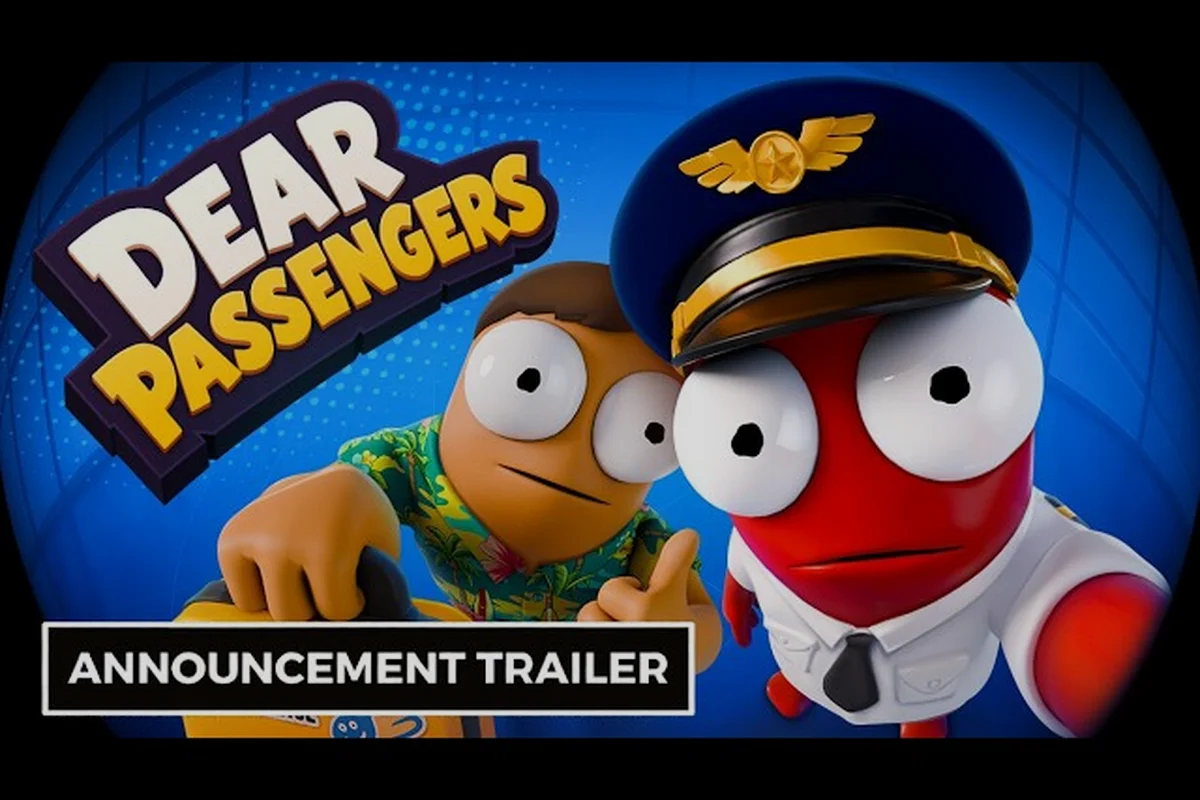
Dear Passengers Co-Op Mechanics: Crossplay & Solo vs Crew
Break down Dear Passengers co-op mechanics in full, from crossplay and local co-op support to how team-of-4 play actually changes every flight phase.

Dear Passengers Captain Guide: Delegate Duties & Survive
Take command with this Dear Passengers captain guide, breaking down how to split pilot, first officer, and flight attendant tasks so nothing crashes mid-flight.
All Articles
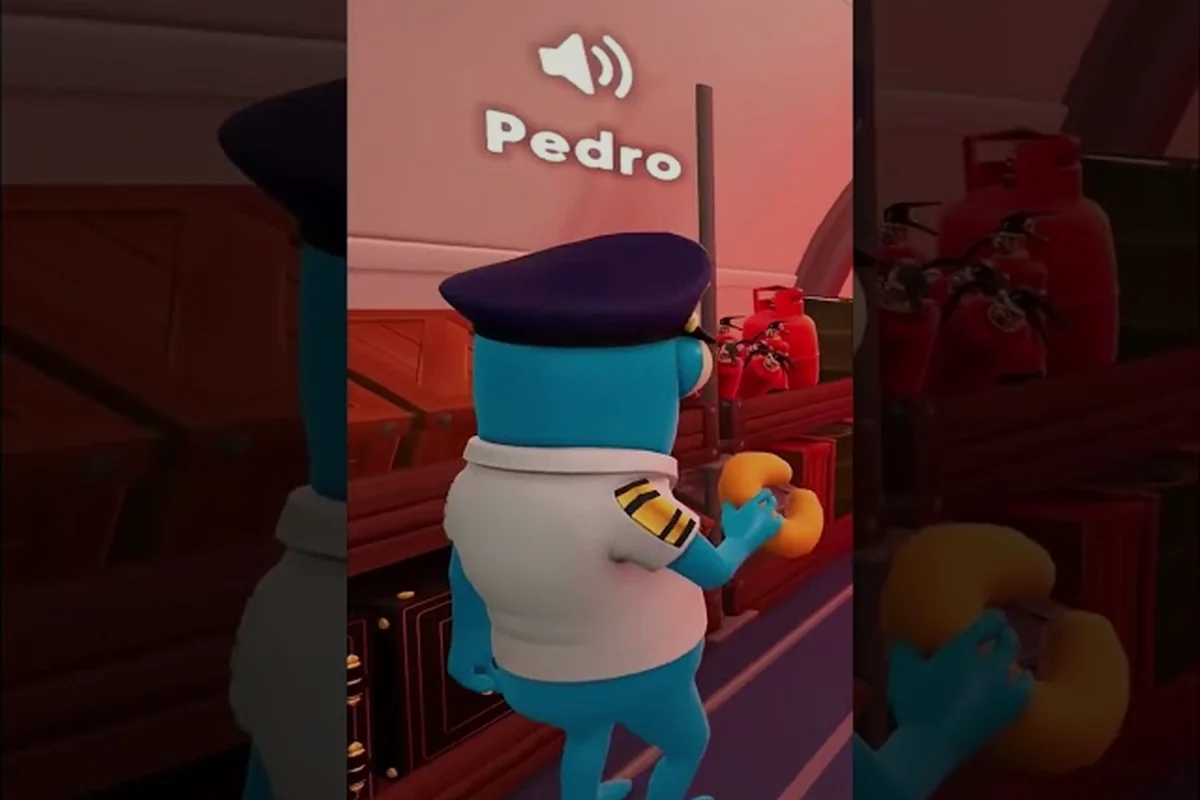
Dear Passengers Hosting a Game: Lobby, Invite & Crossplay
Set up a flight in minutes with this Dear Passengers hosting a game guide, covering server browser tips, crossplay support, and split-screen co-op basics.

Dear Passengers How to Carry Team: Revive & Boost Crew
Turn a rough flight around with this Dear Passengers how to carry team playbook, covering revive tricks, teammate support moves, and smart party play tactics.

Dear Passengers Teamwork Guide: Coordinate Crew Like a Pro
Master Dear Passengers teamwork guide essentials — learn how to assign roles, sync up over voice chat, and join a friend's lobby without the usual chaos.

Dear Passengers Crew Coordination Tips for 2-4 Player Flights
Sync your cabin like clockwork using these Dear Passengers crew coordination tips, with role callouts, online co-op flow, and quick fixes for a 4 player crew.