
Weather & Turbulence
Dear Passengers weather and turbulence guide — survive air pockets, storms and rough air, keep the cabin stable, and plan flight paths through dynamic weather.
Introduction
Stormy skies can wreck even a smooth trip. Rough air and sudden drops send travelers, bags, and every loose item flying across the cabin, and the weather hub teaches you how to survive it. Dear Passengers features dynamic weather systems — from clear skies to storms and crosswinds — and learning to read and respond to them is essential. This hub covers turbulence, air pockets, storms, and how to plan flight paths and altitude changes to dodge the worst conditions.
Weather & Turbulence Conditions
| Condition | What It Does | Biggest Danger | How to Survive |
|---|---|---|---|
| Clear Skies | No significant turbulence | Low — routine service continues | Use the calm to serve passengers and secure cargo |
| Turbulence | Shakes the aircraft, throws loose objects | Objects flying, passengers panicking | Secure loose items, brace, calm passengers |
| Air Pockets | Sudden drops that bounce the plane | Losing control, cargo damage | Keep speed steady, warn crew before the drop |
| Storms | Severe weather with heavy turbulence and wind | Total cabin chaos, hard landings | Plan around them, fly smoothly, prepare for crisis |
Weather Condition Guide
Turbulence
The everyday chaos starter
Air Pockets
The sudden drop
Storms
The full crisis
Crosswinds & Wind
The landing challenge
Core Mechanics
Weather in Dear Passengers is dynamic: conditions change during the flight and affect both the aircraft and the cabin. Turbulence shakes the plane and throws loose objects; air pockets cause sudden drops that threaten control; storms combine heavy turbulence, wind, and low visibility. The pilot reads the weather and plans the route, while the crew reacts to the shaking by securing items and calming passengers. Surviving bad weather is a teamwork challenge — the pilot keeps the plane stable while the cabin crew contains the fallout.
Advantages
Mastering weather and turbulence lets you take on stormy routes that other crews avoid, opening up higher-paying flights. Understanding air pockets and crosswinds prevents the crashes that ruin flight ratings and lose cargo. For the cabin crew, knowing what is coming means you can secure items and brace before the shaking starts, turning a potential disaster into a routine rough patch. The weather hub is essential for both pilots and cabin crew — it is the shared knowledge that keeps the whole flight alive.
Challenges
Weather can change faster than the crew can react, and a single missed warning can destroy a flight. Storms in particular demand both pilot skill and crew coordination — if either half fails, the flight spirals. Because the game is unreleased, the exact weather behaviors are based on the developer's materials and trailers, so specific mechanics may change at launch. The biggest weakness is that weather adds an unpredictable layer to every flight, so even a well-prepared crew can be caught out by a sudden storm.
Frequently Asked Questions
How do I survive turbulence in Dear Passengers?+
What are air pockets and how do I avoid them?+
Should I fly through storms or go around them?+
How do I land safely in bad weather?+
Quick Tips
Warn the crew before every rough patch. Two seconds of warning lets the cargo crew secure items and the cabin crew brace — that tiny heads-up prevents most turbulence damage.
Secure loose items before takeoff, not during the storm. Anything not strapped down becomes a projectile the moment the turbulence starts, and you will not have time to fix it mid-shake.
Reduce speed slightly before entering weather. Slower flight is more stable and gives you more time to react to air pockets, while a fast aircraft is harder to correct.
Learn to read the sky. Cumulus build-ups and dark cloud edges are early signs of storms and air pockets — planning around them beats flying through them every time.
Featured

Dear Passengers Weather Guide: Every Condition Explained
Decode every Dear Passengers weather system from rain and wind to severe storms, with clear explanations of how each condition affects your flight, cabin, and cargo.
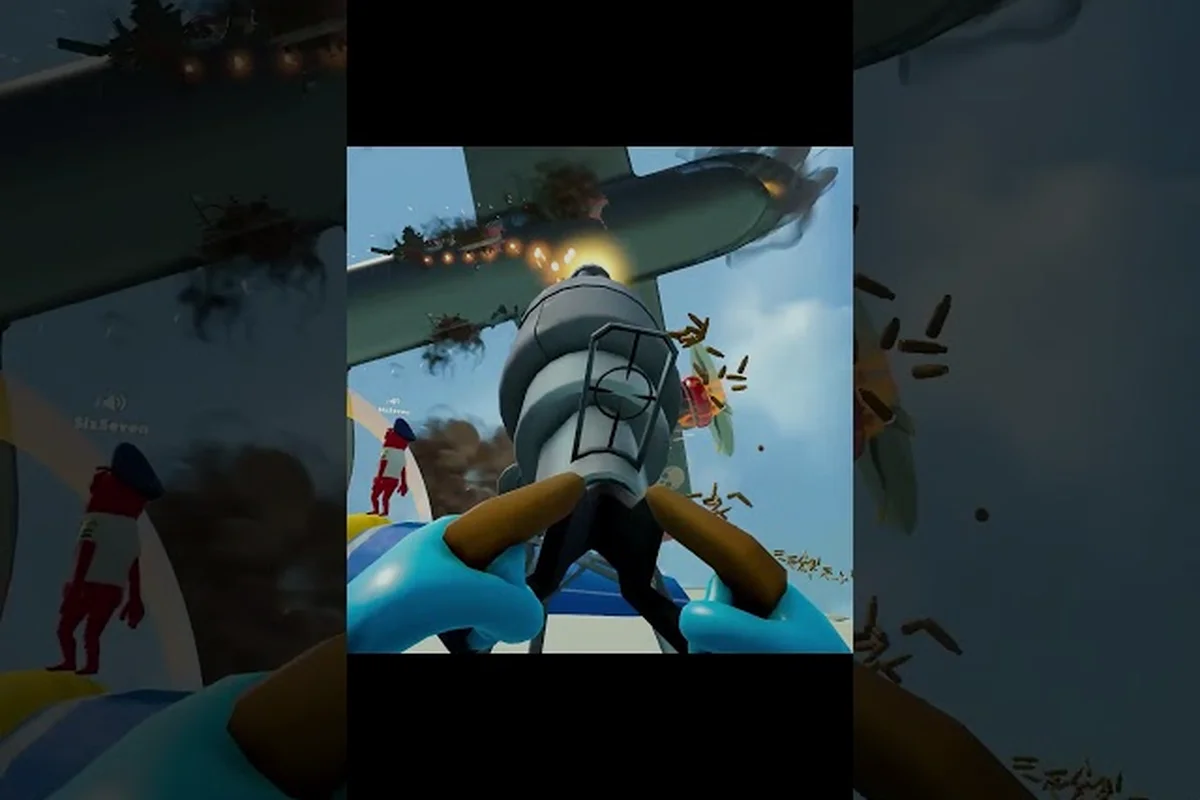
Dear Passengers Flight Control: Trim and Recovery Moves
Reclaim stability with this Dear Passengers flight control guide covering trim settings, throttle and stick inputs, and recovery moves that steady the plane.

Dear Passengers How to Fly in Storms: Turbulence Tips
Push through rough skies with this Dear Passengers how to fly in storms guide covering turbulence handling, cabin stabilization, and safe landings.
All Articles

Dear Passengers Lightning Storm: Reroute and Survive
Survive a direct hit with this Dear Passengers lightning storm guide covering reroute planning, weather radar reads, and emergency procedures.

Dear Passengers How to Avoid Storms: Read and Reroute
Steer clear of danger with this Dear Passengers how to avoid storms guide covering weather reading, altitude reroutes, and turbulence warning signs.

Dear Passengers Flying at Night: Instruments and Hazards
Master low-visibility flying with this Dear Passengers flying at night guide covering instrument reliance, secured items, and calm-passenger habits.

Dear Passengers Weather Survival Tips: Crosswinds and Storms
Stay airborne through any forecast with these Dear Passengers weather survival tips covering crosswind handling, turbulence tricks, and pre-flight prep.