
Passengers
Dear Passengers passenger guide — every passenger type, food and drink service, satisfaction, and how to handle risky or difficult travelers on Budget Premium.
Introduction
Every flight in Dear Passengers is defined by the passengers you choose to carry. Travelers on Budget Premium want meals, drinks, and a calm ride — and you will be lucky to deliver two of the three. The passengers hub explains every passenger type, how to keep them happy, and how to deal with the troublemakers who threaten your flight rating. Learning passenger behavior is the fastest way to improve your payouts, because satisfied passengers pay more and cause fewer incidents, while ignored passengers turn a profitable route into a cabin-wide disaster that costs you far more than their fare was worth.
Passenger Types Overview
| Type | Behavior | Payout | Handling |
|---|---|---|---|
| Standard Passenger | Asks for food and drinks, stays calm if served | Moderate | Serve promptly and they stay happy |
| VIP Passenger | High expectations, premium requests | High | Prioritize their requests to secure the big fare |
| Risky Passenger | More likely to panic or cause trouble | High | Watch closely and calm early |
| Troublemaker | Deliberately causes incidents and spreads panic | Varies | Isolate and contain before they escalate |
Passenger Type Guide
Standard Passenger
The backbone of your cabin
VIP Passenger
High fare, high expectations
Risky Passenger
Big payout, big risk
Troublemaker
The chaos starter
Core Mechanics
Passengers are driven by needs and satisfaction, and every traveler on Budget Premium has a threshold for how long they will wait. They request food and drinks, react to turbulence, and panic when their needs are ignored for too long. Different types have different thresholds: VIPs expect premium service and notice delays, risky passengers panic easily during rough patches, and troublemakers actively spread chaos to the rows around them. Keeping passengers happy means serving them promptly, calming them during turbulence, and isolating troublemakers before they escalate. Your passenger management directly affects your flight rating and payout, making it one of the core skill loops in the game — the crew that reads the cabin best finishes with the biggest fares.
Advantages
Mastering passenger management lets you safely carry high-paying loads that other crews would refuse. A crew that keeps VIPs happy and troublemakers contained can take on the most profitable passenger mixes without losing the flight, which directly raises the ceiling on your earnings. Good passenger handling also reduces mid-flight chaos, which means less cargo damage and a higher flight rating — both of which increase your income on every single flight. For new players, learning the passenger types early prevents the most common beginner disaster: taking a full load of troublemakers and watching the cabin spiral out of control before anyone understands what went wrong.
Challenges
Passenger management is only as good as your crew's ability to act under pressure. Even the best plan falls apart when turbulence hits and everyone reacts at once, and a single panicking passenger can undo minutes of careful service. Some passenger types have not been fully detailed in official materials because the game is unreleased, so the specific behaviors here are based on trailers and the store description and may change at launch. The main weakness is that passengers add a constant time pressure — you can never fully relax and focus on one task, because the cabin is always demanding attention.
Frequently Asked Questions
How do I keep passengers happy in Dear Passengers?+
Which passengers should I take?+
What happens when a passenger panics?+
Do passenger types affect my payout?+
Quick Tips
Learn the passenger types before you fly, not during the crisis. Knowing that a troublemaker needs isolation while a VIP needs priority service lets you react without thinking when the cabin gets loud, instead of wasting precious seconds trying to figure out who needs what in the middle of the chaos.
Serve in priority order every time: VIPs first, then panicking passengers, then everyone else. A happy VIP pays more than three calm standard passengers, and a panicking passenger who is ignored will cost you far more than the fare of everyone they drag into the spreading incident later in the flight.
Never ignore an agitated passenger just to finish a routine service task. Ten seconds of panic spreads to the whole row, and once two or three passengers are panicking the incident snowballs into a cabin-wide problem. Handle the agitation first, then return to the routine task once the cabin is stable again.
Review your passenger mix after every flight and adjust based on results. If you constantly end up with panicking VIPs, you are taking too many high-maintenance types for your crew size — dial it back until your crew can keep everyone calm, then add the demanding passengers back one at a time as your skills improve.
Featured

Dear Passengers Passenger Types: Needs, Requests & Moods
Decode Dear Passengers passenger types with this rundown of every rider profile, what each one needs mid-flight, and how to keep requests from spiraling.

Dear Passengers Best Passengers: Ratings, Trouble & Tips
Spot the gems and avoid the nightmares with this Dear Passengers best passengers breakdown, ranking rider satisfaction tiers and how to eject troublemakers.

Dear Passengers How to Calm the Cabin: Crowd Control
Settle a spiraling cabin with this Dear Passengers how to calm the cabin playbook covering passenger priorities, complaint defusal, and crowd control.
All Articles

Dear Passengers How to Remove Passengers: Eject Troublemakers
Learn when and how to remove passengers mid-flight, which riders are safe to leave on board, and the cabin management tradeoffs that protect your flight rating.
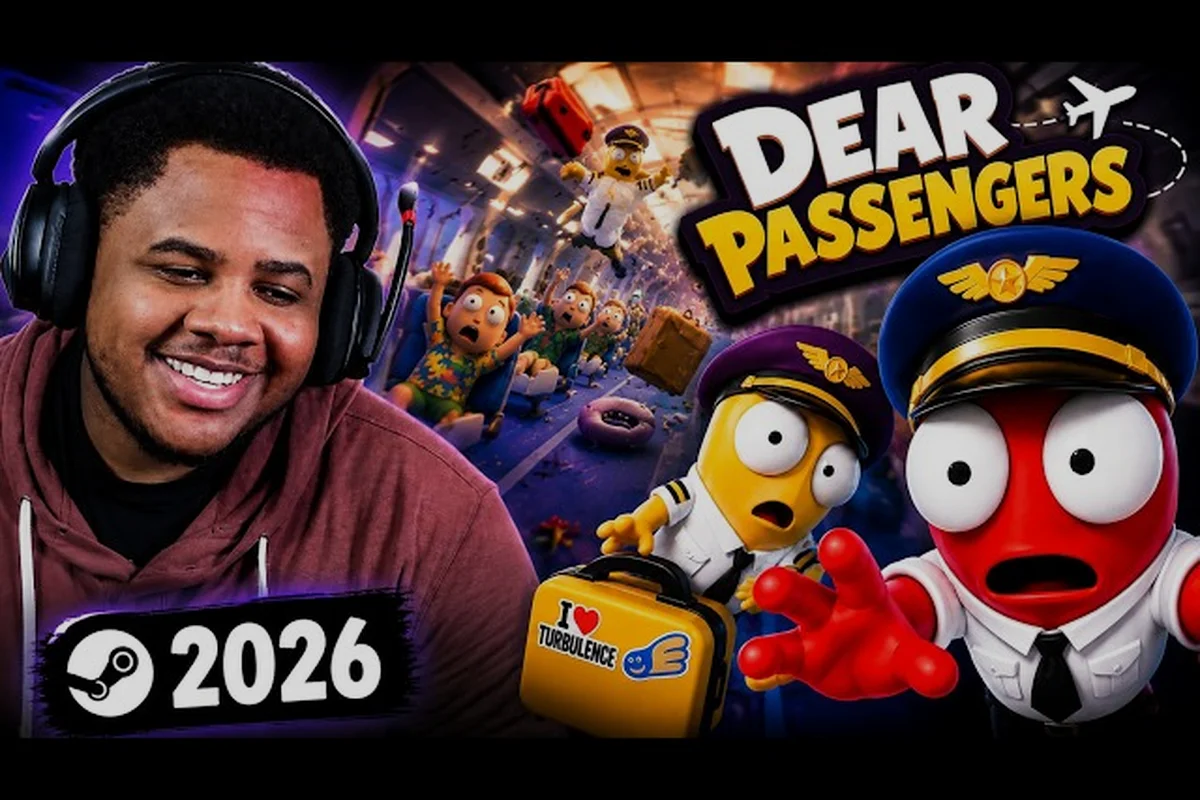
Dear Passengers Food and Drink Service: Menu Timing and Big Tips
Run a tighter Dear Passengers food and drink service with menu prep, order timing, drink pairings, and the service flow that maximizes every rider's tip payout.
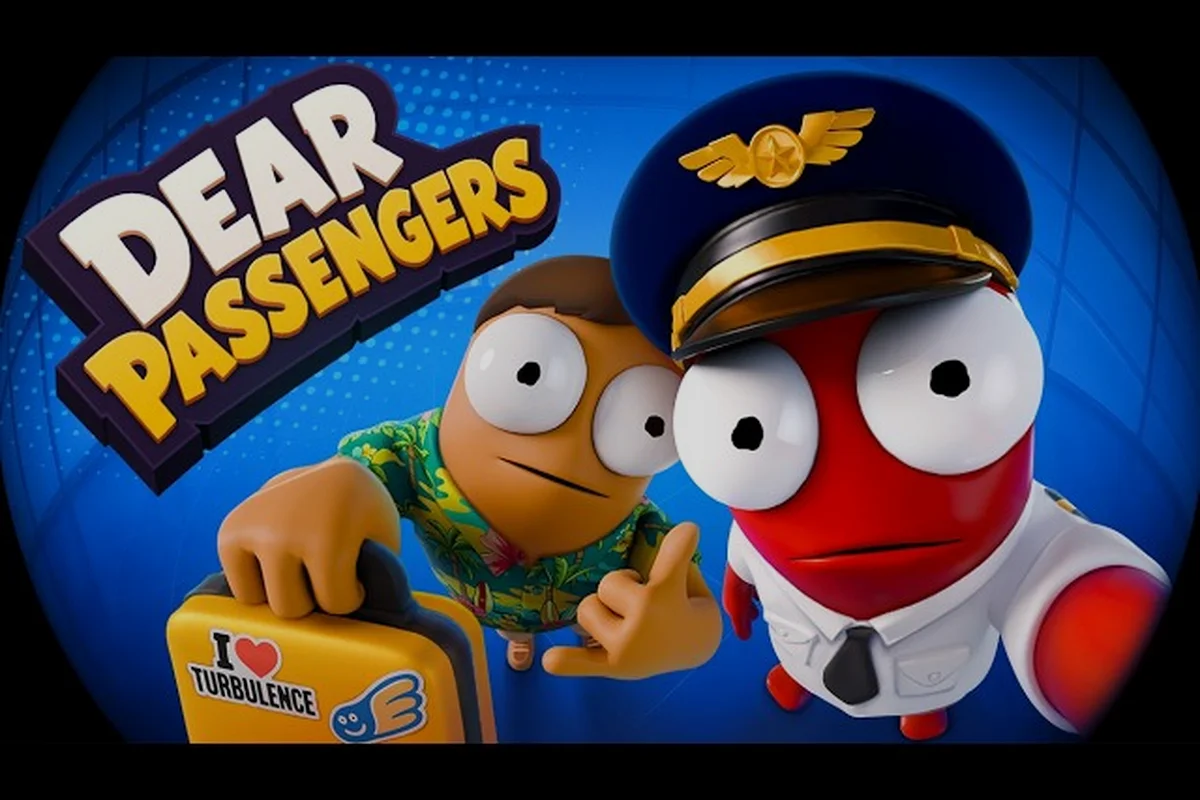
Dear Passengers Passenger Tiers: Rank Every Rider Profile
Compare every Dear Passengers passenger tier side by side, from easy riders to high-maintenance nightmares, and learn which profiles are worth chasing.
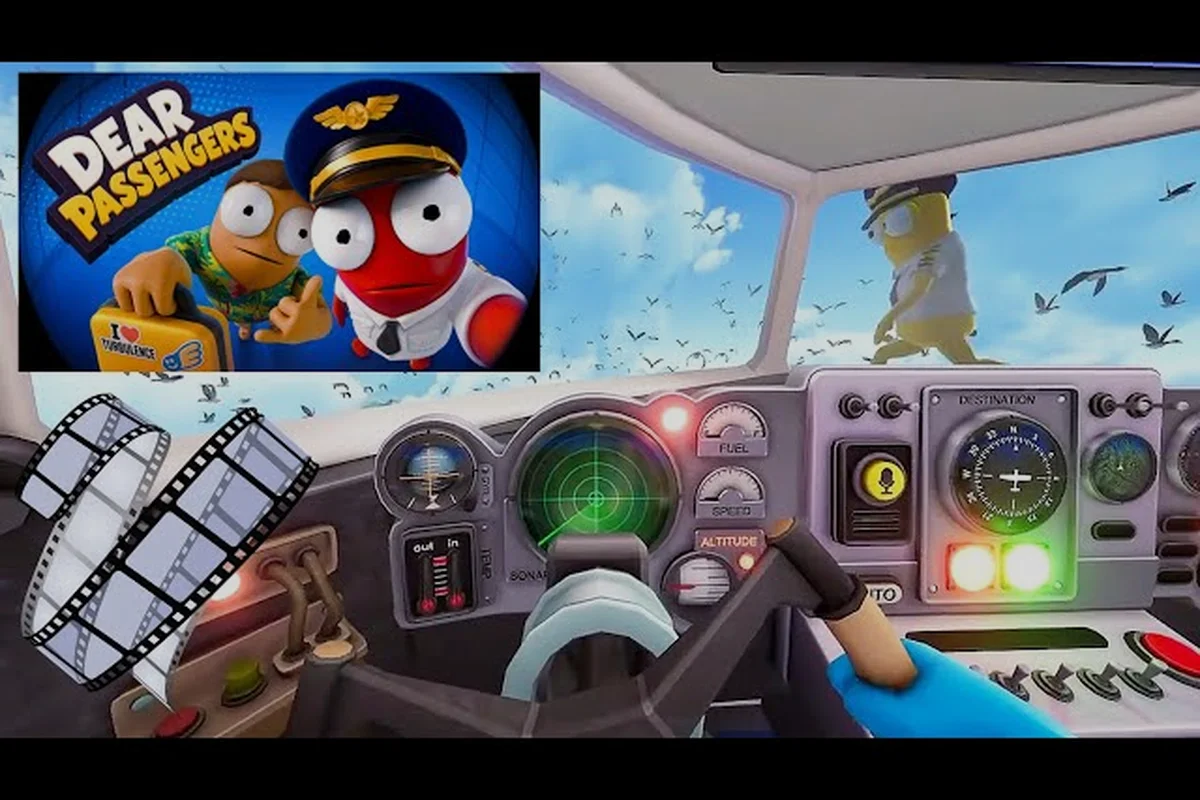
Dear Passengers VIP Passenger: Handle High-Stakes Riders
Master VIP and celebrity passenger encounters, from special requests and drink preferences to the rewards and risks that come with every high-profile booking.