
Cargo
Dear Passengers cargo guide — cargo types, risk and reward, how to protect shipments, and how to balance valuable freight against cabin chaos.
Introduction
Cargo is the other half of every Dear Passengers load, and it demands a completely different skill set from passenger service. While passengers ask for food, drinks, and comfort, cargo simply needs protection — and the more valuable the shipment, the harder it is to keep safe. Some cargo is illegal, some is fragile, and all of it needs to arrive in one piece if you want the full payout. The cargo hub explains every cargo type, how to choose the right mix before takeoff, and how to protect your freight through turbulence, storms, and cabin chaos. Learning cargo management is essential for maximizing your income per flight, because a well-guarded hold can double your profit while a neglected one turns a promising route into a costly disaster.
Cargo Types Overview
| Type | Risk Profile | Payout | How to Protect |
|---|---|---|---|
| Valuable Cargo | Worth a lot, worth protecting | High | Secure it first, keep it strapped down |
| Fragile Cargo | Breaks easily in turbulence | Moderate–High | Shield and cushion; react to alerts fast |
| Heavy Cargo | Slows the plane, hard to move | Moderate | Strap down tightly, plan for weight |
| Illegal Cargo | High reward, high risk of trouble | Very High | Keep it hidden and secure; risk of seizure |
Cargo Type Guide
Valuable Cargo
High value, worth the attention
Fragile Cargo
Breaks before you can react
Heavy Cargo
Bulk that weighs you down
Illegal Cargo
Maximum reward, maximum risk
Core Mechanics
Cargo works on a simple risk and reward loop. Before takeoff you choose which shipments to carry, trading payout against how hard they are to protect. During the flight, turbulence and air pockets shake the aircraft, sending cargo sliding and breaking fragile items. Cargo crew must strap down loose items, protect fragile shipments, and respond to damage alerts. At the end of the flight, your payout reflects how much cargo arrived intact — damaged or lost cargo cuts directly into your profit, so the crew that anticipates turbulence and protects the hold first is the crew that actually earns the big fares.
Advantages
Good cargo management significantly increases your per-flight income, and it rewards crews that plan ahead. High-paying cargo types like valuable and illegal shipments can double your profit compared to a passenger-only load, and learning to protect fragile cargo lets you run routes that other crews would refuse. Cargo also gives the crew a clear secondary objective, which improves coordination: while cabin crew handles passengers, cargo crew guards the freight, so nobody is stretched across every system at once. For players who enjoy the logistics side of the game, cargo is where the real money is made and where the deepest skill expression lives.
Challenges
Cargo adds constant pressure to protect something fragile or valuable while chaos happens around you, and that pressure only grows on stormy routes. A single missed turbulence warning can destroy your most expensive shipment, and the cargo crew cannot be everywhere at once when multiple crates start sliding. Illegal cargo in particular can turn a profitable run into a disaster if it is seized or attracts the wrong kind of trouble. Because the game is unreleased, some cargo mechanics may change at launch, and the specific types described here are based on the developer's materials rather than confirmed gameplay, so expect adjustments as the release approaches and the community learns the final systems.
Frequently Asked Questions
How do I protect cargo during turbulence?+
Which cargo should I take for the best profit?+
What happens if my cargo is damaged?+
Is smuggling illegal cargo worth the risk?+
Quick Tips
Protect cargo in priority order every single time: fragile and valuable first, heavy second. A broken fragile crate loses more value than a loose heavy one, so when turbulence is announced, spend your limited seconds on the shipments that lose the most money when they are damaged during the rough patch.
Secure cargo before takeoff and re-check the hold after every turbulence event. Most cargo damage happens in the seconds right after a rough patch, before the crew has reacted, so build the habit of checking the hold the moment the shaking stops — those few seconds of attention save entire shipments.
The pilot should announce turbulence at least two seconds before it hits so the cargo crew can pre-secure fragile items. Two seconds of warning is the difference between intact and destroyed freight, because once the shaking starts the crew is busy bracing themselves instead of securing the hold safely, and every crate that comes loose becomes a new problem mid-flight.
Match your cargo to your crew size and skill. If nobody is free to guard the hold, do not take fragile or illegal cargo — a calm passenger-only flight beats a chaotic flight with lost freight, and you can always add riskier shipments once your crew proves it can protect them under pressure.
Featured

Dear Passengers Cargo Guide: Types, Payouts and Risks
Compare every Dear Passengers cargo type with weights, fragile rules, payouts, and the high-value loads worth the risk before you load the hold.

Dear Passengers Make Money With Cargo: Ratios and Runs
Stack earnings with this Dear Passengers how to make money with cargo guide covering weight-to-payout ratios, premium contracts, and high-margin runs.

Dear Passengers Transport Cargo Safely: Loading and Balance
Keep freight intact with this Dear Passengers how to transport cargo safely guide covering loading order, weight balance, insurance, and recovery moves.
All Articles

Dear Passengers Cargo Damage: Stop Losing Loads Mid-Flight
Prevent Dear Passengers cargo damage with smart loading, strapping, and hold management, plus recovery tips when turbulence or crashes threaten your payout.

Dear Passengers Cargo Drop Off: Delivery Tips & Security
Land every Dear Passengers cargo drop off intact with timing tips, theft prevention, and strapping strategies that keep high-value freight secure on arrival.
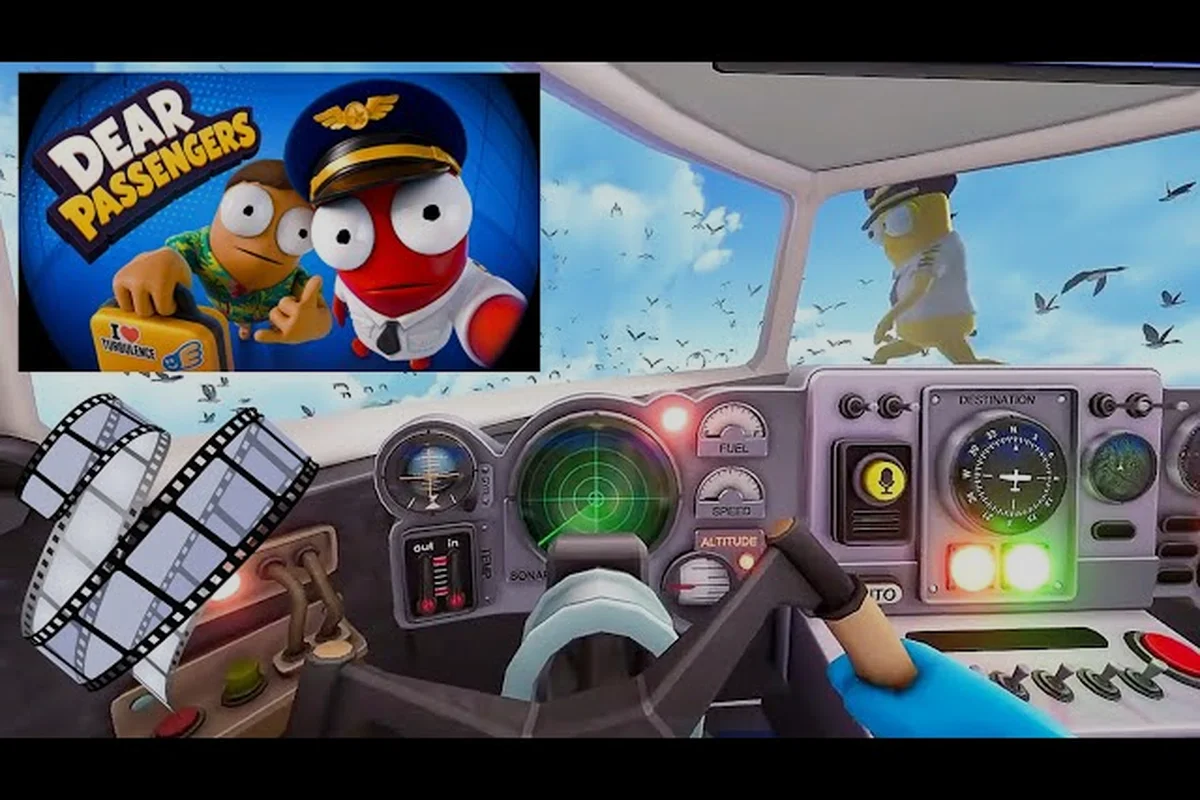
Dear Passengers Prevent Cargo Damage in Turbulence
Keep every crate intact with this Dear Passengers how to prevent cargo damage in turbulence guide: strapping tricks, hold balance, and warning signs.

Dear Passengers Smuggling Cargo: Risky Loads & Big Payouts
Weigh the rewards and consequences of Dear Passengers smuggling cargo, from illegal contracts and inspection risks to the routes where contraband still pays.