Understanding the Service Loop in Dear Passengers
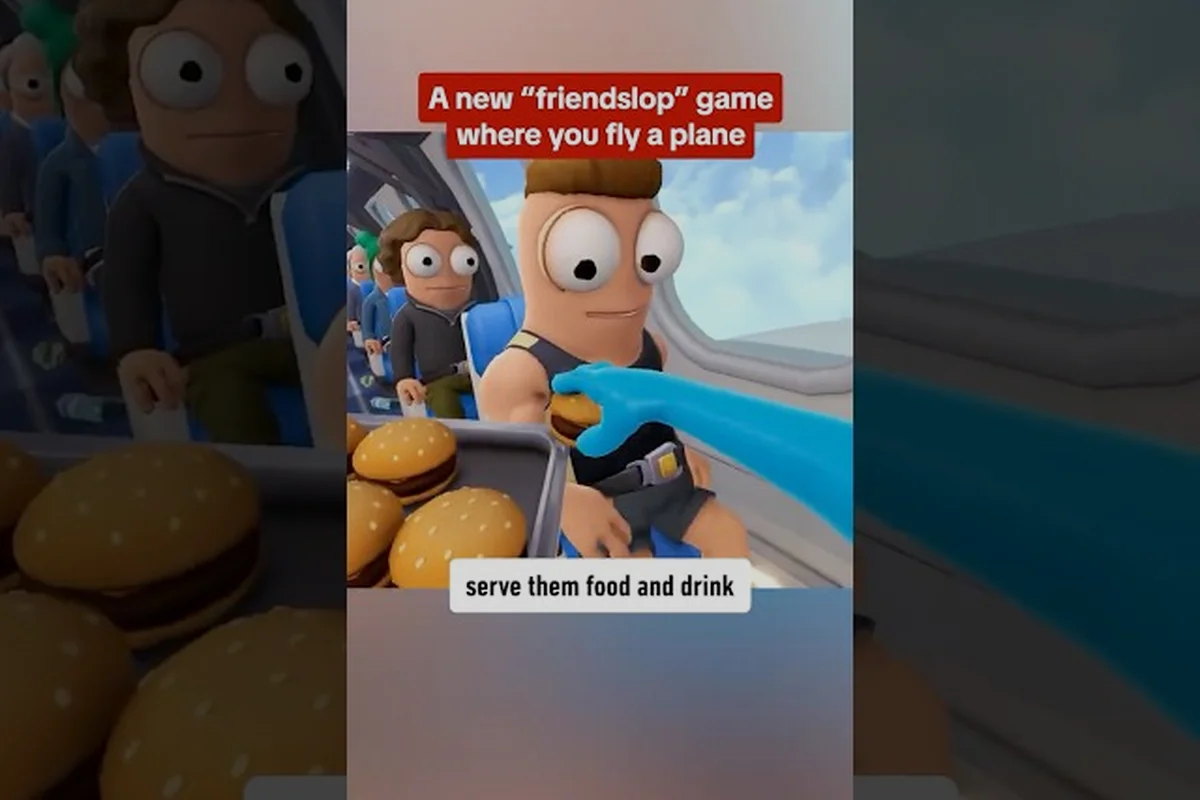
In Dear Passengers, the cabin crew role is one half of the co-op equation, and learning dear passengers how to serve passengers is the single skill that determines whether a flight ends in profit or a flaming wreck. The official store page describes the crew as people who "keep the cabin together, serve passengers, and stop small problems from becoming full-blown disasters" (Dear Passengers on Steam), which is a polite way of saying the cabin is held together by drinks, timing, and panic management. Every passenger who boards the aircraft has an internal patience meter, and that meter drains in real time based on what the crew delivers, what turbulence does to the cabin, and how long they have been ignored.
The first thing a new cabin crew member needs to internalize is the three-pillar service loop: fulfilling drink requests, keeping the aisle clear, and de-escalating trouble before it cascades. Skip any one pillar and the others collapse, because the game ties cabin morale to a chain reaction rather than isolated events. Community testing on the Steam discussion hub shows crews that focus only on drinks still lose passengers to falls and falls still happen when nobody is watching the aisles (Steam Community Discussions). The loop is short on purpose. A full round — from the moment a request icon appears above a seat to the moment the passenger stops complaining — usually fits inside thirty seconds when the crew knows what they are doing, and that short loop is exactly what makes the role feel like juggling while the plane is on fire.
The Three Core Service Actions Every Crew Member Must Know
The service gameplay reduces to three actions, and each one has its own timing window, priority tier, and failure cost. Mastering all three is what separates a greenhorn flight attendant from someone who can solo a full cabin while the pilot is dodging a thunderstorm. The table below breaks down the three core actions and how they fit into the dear passengers cabin crew guide workflow.
| Action | Trigger | Where It Happens | Primary Reward | Cost of Failure |
|---|---|---|---|---|
| Drink Delivery | Passenger shows a thought bubble with a drink icon | Galley to assigned seat | Tip + patience refill | Passenger complains, patience drops faster |
| Request Triage | Multiple thought bubbles appear at once | Cabin aisle, walking between rows | Preserves overall cabin morale | Crew wastes stamina on wrong passenger |
| Cabin Calm | A passenger stands up, panics, or blocks the aisle | Wherever the incident occurs | Prevents chain-reaction falls | Turbulence multiplies injury risk |
Drink Delivery and the Patience Economy
Drink delivery is the most visible part of dear passengers how to serve passengers, and it is the action that pays the bills. The official site frames the core promise with a specific line: "travelers want meals, beverages, and a calm ride, and the pitch says hitting at least two of those is usually enough" (Dear Passengers official website). In practice, drinks are the easiest pillar to hit consistently because the galley restocks itself between waves, and the crew only needs to pick up the right cup, walk it to the right seat, and hand it over before the patience meter empties. The game does not — as of the latest community-reported build — spell out exact patience decay numbers, so crew members should treat every visible thought bubble as urgent.
The priority queue for drinks works on a simple rule: the passenger whose bubble has been visible the longest gets served first, because their patience has decayed the most. Crew members who run to whichever seat is closest usually end up with a different passenger walking off the plane mid-flight. According to community discussion, passengers who leave the aircraft voluntarily do not generate a tip, which is the single biggest silent score-loss new crews run into without realizing it. Walk the long way, hit the oldest bubble first, and the rest of the cabin usually settles down on its own.
Request Triage When the Cabin Explodes
Mid-flight, the cabin almost never has a single request. The dear passengers how to manage the cabin mindset starts here: a competent crew member reads the entire aisle, not the nearest row. The table below shows the standard triage tiers crews fall into once they stop panicking.
| Triage Tier | Visual Cue | Crew Response | Why It Works |
|---|---|---|---|
| Critical | Passenger standing, arms raised, blocking aisle | Drop current task, resolve immediately | Stops cascade falls during turbulence |
| Urgent | Flickering thought bubble, oldest in cabin | Walk, do not run, deliver drink | Restores patience before they escalate |
| Background | New bubbles popping up | Note position, finish current delivery | Keeps crew stamina from being wasted |
The key insight is that standing passengers are a tier above drinking passengers, no matter how old the drink request is. A crew member who insists on finishing a drink run while a passenger is wobbling in the aisle will, according to community reports, watch that passenger fall and take two neighbors with them when the next pocket of turbulence hits. Pause the drink, escort the standing passenger back to the seat, finish the original delivery, then move on. The whole detour takes about five seconds and prevents a five-minute recovery scramble.
Reading the Cabin: Passenger Mood Cues
Dear passengers how to keep passengers happy is a different question from dear passengers how to serve passengers, because the two overlap but are not the same. Serving is the mechanical action of delivering a drink; keeping passengers happy is the art of noticing which one is about to break before the icon appears. The game surfaces a small set of visual cues that the cabin crew can learn to read, and they form a rough priority ladder.
| Mood Cue | What the Passenger Is Doing | Crew Action | Tip Impact |
|---|---|---|---|
| Calm | Sitting quietly, no bubble | Leave them alone, monitor only | None — do not waste stamina |
| Thirsty | Single drink bubble above head | Deliver drink within 20 seconds | Small tip |
| Anxious | Fidgeting, looking around, gripping seat | Talk via intercom or brief eye contact | Medium tip if calmed |
| Panicked | Standing, shouting, blocking aisle | Immediate intervention | Large tip if resolved cleanly |
| Departing | Walking toward exit on their own | Cannot be saved once they reach door | Lost fare, no tip |
The anxious tier is the one most new crews miss. A passenger who is gripping their armrest and looking around the cabin is not yet requesting a drink, but they are about to escalate. Experienced crews reported in the Steam Community that calling out a quick reassurance over the intercom — even something as simple as a canned "we have you, sit tight" — defuses most anxious passengers before they stand up. For deeper coverage of how individual personalities escalate, the passenger types breakdown is the best companion read, because the personalities in that guide determine which mood cue shows up first.
Patience Decay and the Two-of-Three Rule
The official site states the goal plainly: deliver two of the three expectations — food, drinks, and a smooth flight — and most passengers will forgive the third. The two-of-three rule is the heart of dear passengers how to keep passengers happy, and it scales surprisingly well. A crew that nails drinks and reassurance but loses the smooth-flight pillar to turbulence will still bank tips; a crew that nails smooth flight and reassurance but ignores drinks will see passengers trickle out the back.
The interaction between patience and the two-of-three rule is not yet documented with exact numbers — FLEXUS has not published a formula — but community testing suggests patience drains faster when only one of the three pillars is being met. This means a crew that panics and stops serving drinks entirely after a rough patch will see patience collapse in a way that running the drinks normally would have avoided. Keep the drinks moving, even during turbulence, and the patience economy stays stable enough to absorb the next crisis.
Coordinating With the Pilot Role
Dear passengers how to serve passengers is a cabin-only skill, but it cannot be practiced in isolation. The pilot handles a different half of the flight, and the two roles are linked by a hidden tension: the pilot's job is to fly the plane, and the crew's job is to absorb everything the pilot's flying causes. When the pilot threads a clean line through a storm, the cabin gets easy service runs. When the pilot clips a turbulence pocket, every drink in the air gets thrown and every standing passenger falls over.
A good crew communicates with the pilot through three signals, none of which require voice chat to work:
-
Pacing the aisle runs to match heading changes — if the pilot is about to bank left, finish the current row before the turn starts, because walking during a hard bank costs stamina and spills drinks.
-
Calling out critical cabin events through the in-game intercom, which the pilot can hear from the cockpit; this is the cheapest way to flag a passenger who is about to walk off the plane.
-
Anticipating turbulence windows based on the weather readout the pilot calls; a crew that braces the cabin thirty seconds before a known air pocket arrives will prevent almost all of the cascade falls that define a bad run.
For a fuller look at the pilot side of the equation — heading, altitude, fuel, and how to read the weather — the pilot guide and aircraft controls reference lines up the responsibilities side by side. Crew members who have skimmed the pilot guide tend to time their aisle runs better, because they understand when the pilot is about to do something that will punish a mid-walk delivery.
When the Pilot Is the Source of the Problem
Sometimes the cabin crew has to compensate for a pilot who is learning the controls. According to community reports, new pilots tend to overcorrect on heading, which slams the cabin into walls and seats more than a steady turbulence pocket would. In those runs, the dear passengers cabin crew guide mindset shifts from "serve drinks" to "damage control." Priorities change: standing passengers jump to the top of the list, drink deliveries get batched into single trips across multiple rows, and the intercom gets used more aggressively to talk anxious passengers down before they escalate.
The crew that wins these runs is the crew that accepts the pilot will not be perfect and adjusts. Holding the cabin together while the pilot learns is, in many ways, the actual tutorial for the role — once a crew can absorb a bad pilot and still bank a positive tip total, they have graduated from the basics.
A Practical Shift Routine for New Cabin Crew
For crews stepping into the role for the first time, the difference between a chaotic run and a profitable one usually comes down to a repeatable shift routine. The routine below condenses dear passengers how to manage the cabin into five steps, each of which fits inside a thirty-second window once the crew has practiced it a few times.
| Step | What the Crew Does | Time Budget | Pitfall to Avoid |
|---|---|---|---|
| 1. Pre-flight aisle sweep | Walk the full cabin before takeoff, note seat positions and loose items | 20 seconds | Skipping this and discovering problems mid-flight |
| 2. Galley restock check | Confirm cups, bottles, and snack trays are full | 10 seconds | Assuming the galley refilled itself between rounds |
| 3. First-wave triage | Serve the oldest visible request first, scan for standing passengers | 30 seconds | Running to the closest bubble instead of the oldest |
| 4. Mid-flight loop | Alternate rows, deliver drinks in batches of two when possible | Continuous | Standing still waiting for a single passenger to calm down |
| 5. Crash recovery | After turbulence, sweep the cabin for standing passengers before any drinks | 15 seconds | Delivering drinks to empty seats while a real problem festers |
This routine is the version crews settle into after about a dozen runs, but the first three runs are usually rough because the galley layout and aisle spacing take a shift to internalize. Crews that survive the first ten flights without losing more than one or two passengers tend to plateau quickly, because the core loop is genuinely short. The longer-term challenge is rare-event handling, which the cabin chaos and crowd management guide covers in much more depth.
A Note on Stamina and Movement
Dear passengers how to serve passengers rewards movement efficiency more than raw speed. The crew has a stamina bar that drains when sprinting, and a depleted stamina bar means slower walking, which means slower deliveries, which means angrier passengers. Crews that sprint everywhere for the first three minutes of a flight often end up crawling for the rest of it. Walking is almost always faster end-to-end, and the few seconds saved by sprinting are not worth the stamina debt. This is one of the most-cited beginner mistakes in the Steam Community discussion threads, and fixing it alone tends to lift a new crew's tip total by a visible margin.
Crash Recovery and Service After the Plane Breaks
The game sells itself on the phrase "your plane is falling apart," and that is not flavor text. The cabin will take damage during a flight, and service after a crash event is a different discipline from service during smooth air. The dear passengers how to serve passengers skill tree has two branches, and the second branch — post-incident service — is the one that separates good crews from great ones.
| Phase | Cabin State | Crew Priority | Drinks? |
|---|---|---|---|
| Immediate | Smoke, alarms, passengers standing | Triage standing passengers only | No — wait for safety |
| Stabilize | Alarms clear, passengers shaking | Talk anxious passengers down, deliver drinks to calm them | Yes, batched |
| Recover | Cabin quiet, normal request flow | Resume standard drink delivery | Yes, full speed |
The immediate phase is the most counter-intuitive part of the role. New crews tend to keep delivering drinks during alarms because they see the patience bars draining, but delivering a drink to a passenger who is standing in a smoke-filled aisle is wasted effort. The drink sits on the floor, the patience bar keeps draining, and the crew is now out of position for the real problem. Wait for the alarms to clear, then move.
The stabilize phase is where the intercom becomes the crew's best tool. A short, calm announcement after a crash event pulls most anxious passengers back into their seats without requiring a one-on-one conversation, which is faster and cheaper on stamina. From there, the standard drink loop resumes, and the flight usually finishes on a positive note if the crew holds the line for another minute or two. For more on how the cabin layout itself influences crash recovery, the cabin layout and crash survival guide is the right follow-up read.
Frequently Asked Questions
How does the drink request system work in Dear Passengers?
Each passenger generates a thought bubble above their seat when they want a drink, and the crew picks up the matching cup from the galley and delivers it. The game does not publish exact patience timers, but the Steam store description confirms passengers expect at least two of three things: food, drinks, and a smooth flight. Older bubbles should always be served first.
What happens if I ignore a passenger for too long?
If a passenger's patience runs out, they will stand up and either leave the plane or cause a cascade fall when turbulence hits. Both outcomes cost tips and, in the case of cascade falls, can injure nearby passengers. Community testing suggests the patience meter drains faster when only one of the three expectations is being met, so the two-of-three rule from the official site is the safest target.
Can the cabin crew succeed without a good pilot?
Yes, but it requires a different mindset. The crew has to compensate for rough flying by triaging standing passengers faster, batching drink deliveries, and using the intercom more aggressively to keep anxious passengers seated. The plane guide for new pilots helps close the gap, but a competent crew can usually absorb a learning pilot for one flight without a total loss.
What is the fastest way to keep the cabin calm during turbulence?
Brace the cabin before the air pocket hits, stop mid-aisle walks, and hold any drinks in both hands. Once the turbulence passes, sweep for standing passengers before resuming drink service. The calm the cabin guide breaks down the full crowd-control sequence, including the intercom call-outs that defuse anxious passengers without burning stamina.
Do tips scale with how fast I deliver drinks?
Community reports suggest tips scale with clean delivery — right drink, right passenger, no spills — rather than raw speed. A crew that walks steadily and avoids cascade falls usually banks a higher total than a crew that sprints, spills, and triggers secondary incidents. The stamina economy makes walking the better long-term strategy on every flight longer than two minutes.